What Is Digital Marketing and Why Is It Important for Business Growth in 2026.
What Is Digital Marketing and Why Should Every Business Prefer It in the Modern Era?
Introduction: The Way Businesses Reach Customers Has Changed!
The business world has changed dramatically over the last decade. Earlier, businesses primarily depended on newspaper advertisements, television commercials, banners, pamphlets, billboards, and word-of-mouth marketing to promote their products and services.
These traditional marketing methods still have their importance. However, customer behaviour has changed significantly.
Today, before purchasing a product, booking a service, choosing a school, selecting a travel agency, or hiring a professional, many customers search online.
They use Google, social media platforms, websites, online reviews, YouTube, and other digital channels to research products and compare businesses.
This change has created an enormous opportunity for businesses that understand the importance of Digital Marketing.
Whether you operate a small shop, startup, manufacturing company, educational institution, real estate business, travel agency, restaurant, or professional service, digital marketing can help you reach potential customers more effectively.
But what exactly is digital marketing? Why has it become so important? Can it help traditional offline businesses grow? And how can the right digital marketing strategy increase your business opportunities?
At Kdigitallia Solutions, we believe that every business deserves an opportunity to establish its identity, reach its target audience, and grow using modern technology.
Let's understand how digital marketing works and why it has become an essential part of modern business growth.
1. What Is Digital Marketing?
Digital marketing refers to the promotion of products, services, brands, and businesses through digital channels and technologies.
It involves using the internet, search engines, websites, social media platforms, email, mobile applications, online advertising, and other digital communication channels to connect with potential customers.
In simple words:
Digital Marketing is the process of promoting your business where your potential customers spend their time – online.
For example:
When someone searches for your business on Google.
When someone sees your advertisement on Facebook or Instagram.
When someone watches your promotional video on YouTube.
When someone receives your promotional email.
When someone visits your website to explore your services.
When someone discovers your business through Google Maps.
All these activities can be part of a digital marketing strategy.
The main objectives of digital marketing include:
Increasing brand awareness.
Reaching potential customers.
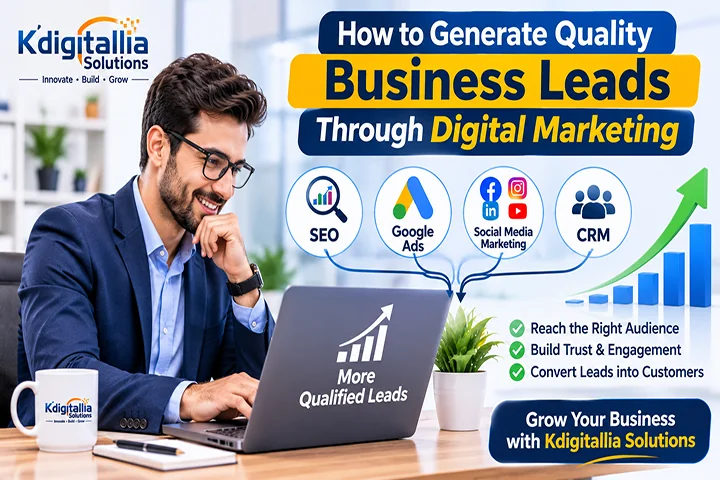
Generating business enquiries and leads.
Increasing website traffic.
Promoting products and services.
Improving customer engagement.
Increasing sales and revenue.
Building long-term customer relationships.
Unlike traditional marketing, many digital marketing channels also allow businesses to measure campaign performance and understand how customers interact with their promotions.
2. Why Should Businesses Prefer Digital Marketing in the Modern Era?
The modern customer is digitally connected.
People use smartphones, computers, and tablets throughout the day to search for information, communicate, shop, learn, and make purchasing decisions.
This makes digital marketing an important opportunity for businesses of almost every size.
Here are some major reasons why businesses should adopt digital marketing.
A. Reach More Potential Customers
Traditional marketing is often restricted by geographical coverage, distribution, or advertising budgets.
Digital marketing can help businesses reach customers across cities, states, and countries.
For example, a small business in Delhi can promote its services to potential customers in Mumbai, Bengaluru, Jaipur, or even international markets.
With the right targeting strategy, businesses can reach audiences based on their location, interests, demographics, and online behaviour.
B. Cost-Effective Marketing Opportunities
Traditional advertising through television, newspapers, billboards, and print media can require substantial investment.
Digital marketing provides multiple promotional options for different budgets.
Businesses can start with activities such as:
Creating a professional website.
Optimizing their website for Google.
Publishing useful social media content.
Creating a Google Business Profile.
Running targeted advertising campaigns.
Building an email subscriber base.
Digital marketing does not mean every campaign is inexpensive. However, it provides flexibility to allocate budgets and evaluate performance.
C. Target the Right Audience
One of the biggest advantages of digital marketing is audience targeting.
For example, if you operate a real estate business, you may want to reach people interested in purchasing residential properties.
If you own an educational institute, your target audience may include students and parents in specific geographical locations.
Digital advertising platforms offer targeting options that can help businesses reach relevant audiences.
Better targeting can reduce irrelevant advertising exposure and improve campaign efficiency.
D. Measure Marketing Performance
In traditional marketing, it can be difficult to accurately determine how many people saw an advertisement and how many became customers.
Digital marketing provides analytical tools to measure important performance indicators.
Businesses can monitor:
Website visitors.
Advertisement impressions.
Advertisement clicks.
Customer enquiries.
Lead generation.
Conversion rates.
Campaign costs.
Customer engagement.
These insights help businesses evaluate marketing performance and make informed decisions.
E. Build Brand Identity and Customer Trust
Customers often research a business before making a purchase.
A professional website, informative content, positive customer reviews, useful social media presence, and consistent branding can help establish credibility.
A strong digital presence allows businesses to communicate their expertise and demonstrate the value of their products or services.
F. Compete with Larger Businesses
Digital marketing creates opportunities for small and medium-sized businesses to compete in their respective markets.
A smaller company with a well-planned digital marketing strategy can reach relevant customers and establish its brand alongside larger competitors.
The key is to understand your audience, communicate your unique value, and use the right marketing channels.
G. Stay Connected with Customers
Digital channels allow businesses to maintain communication with their customers.
Businesses can share updates, announce new products, respond to enquiries, provide customer support, and build long-term relationships through websites, social media, email, and messaging platforms.
3. Different Types of Digital Marketing Every Business Should Know
Digital marketing is not limited to running advertisements on Facebook or Google.
It includes multiple marketing techniques that work together to improve online visibility, generate enquiries, and increase sales.
Let's understand the major types.
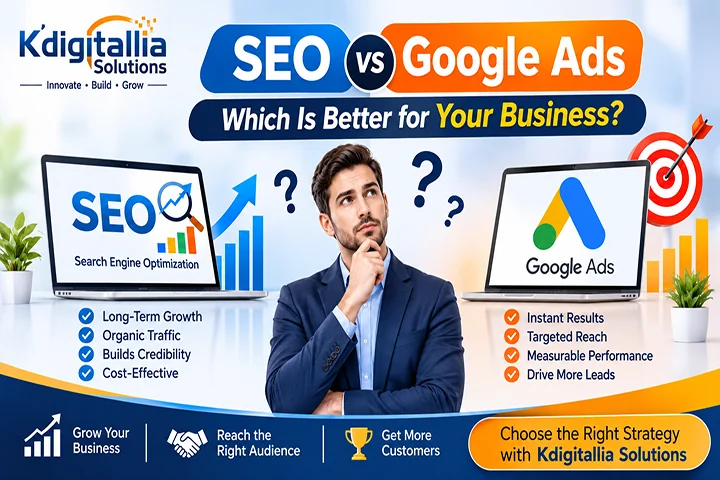
1. Search Engine Optimization (SEO)
SEO stands for Search Engine Optimization.
It involves improving your website's content, technical structure, and online authority to increase its visibility in organic search results.
For example, if someone searches Google for:
Best web development company in Delhi.
Affordable digital marketing services.
Best travel agency near me.
Online educational courses in India.
SEO helps your website compete for visibility in relevant searches.
Important SEO activities include:
Keyword research.
On-page SEO.
Technical SEO.
Content optimization.
Local SEO.
Internal linking.
Quality backlink development.
SEO is a long-term strategy that can help businesses attract relevant organic traffic without paying for every individual click.
2. Social Media Marketing
Social media marketing involves promoting your business through platforms such as:
Facebook.
Instagram.
LinkedIn.
YouTube.
X.
Pinterest.
Businesses can use social media to:
Promote products and services.
Share educational content.
Publish promotional videos.
Announce new offers.
Interact with customers.
Build brand awareness.
Generate business enquiries.
For example, a restaurant can share food photographs and special offers, while an educational institution can publish course information and campus activities.
3. Search Engine Marketing (SEM) and Google Ads
Search Engine Marketing involves using paid advertising to gain visibility on search engines.
Google Ads allows businesses to display advertisements when people search for relevant products or services.
For example, a customer searching for "website development company in Delhi" may see sponsored search advertisements from relevant businesses.
Google Ads offers different advertising formats, including:
Search advertisements.
Display advertisements.
Shopping advertisements.
Video advertisements.
App promotion campaigns.
Paid advertising can help businesses reach potential customers quickly, but successful campaigns require proper keyword selection, audience targeting, budget management, and conversion tracking.
4. Content Marketing
Content marketing focuses on creating useful and informative content to attract and engage potential customers.
Examples include:
Blog articles.
Website content.
Educational guides.
Infographics.
Videos.
Case studies.
Industry reports.
Frequently asked questions.
For example, a real estate company can publish articles explaining property purchasing procedures, while a software company can publish technology guides.
High-quality content can help build trust, improve website engagement, and support SEO.
5. Email Marketing
Email marketing involves communicating with customers and prospects through email.
Businesses can use email marketing for:
Product announcements.
Promotional offers.
Newsletters.
Customer updates.
Event invitations.
Follow-up communication.
Educational information.
It is particularly useful for maintaining relationships with existing customers and interested prospects.
6. Video Marketing
Video marketing has become an important part of modern digital promotion.
Businesses can create videos to explain products, demonstrate services, share customer experiences, and communicate their brand story.
Popular platforms include YouTube, Instagram Reels, and Facebook.
Examples include:
Product demonstration videos.
Company introduction videos.
Customer testimonial videos.
Educational videos.
Promotional advertisements.
Behind-the-scenes videos.
Video content can make complex products and services easier to understand.
7. Local SEO and Google Business Profile
Local SEO is important for businesses that serve customers in specific geographical locations.
Examples include:
Restaurants.
Retail shops.
Clinics.
Educational institutions.
Hotels.
Real estate agencies.
Local service providers.
A properly maintained Google Business Profile can help eligible businesses appear in relevant local searches and Google Maps.
Important activities include:
Accurate business information.
Correct business categories.
Genuine customer reviews.
Updated photographs.
Business hours.
Contact information.
Relevant business updates.
8. Influencer and Affiliate Marketing
Influencer marketing involves collaborating with content creators who have an audience relevant to your products or services.
Affiliate marketing allows partners to promote products and earn commissions based on agreed performance arrangements.
These strategies can help businesses reach new audiences and build awareness when implemented transparently and with suitable partners.
9. Mobile Marketing
Mobile marketing focuses on reaching customers through smartphones and mobile devices.
It may include:
Mobile-friendly websites.
Mobile applications.
SMS campaigns with appropriate consent.
Push notifications.
Mobile advertising.
Messaging-based customer communication.
Since many customers use smartphones to discover businesses, mobile-friendly experiences are essential.
10. AI-Powered Digital Marketing
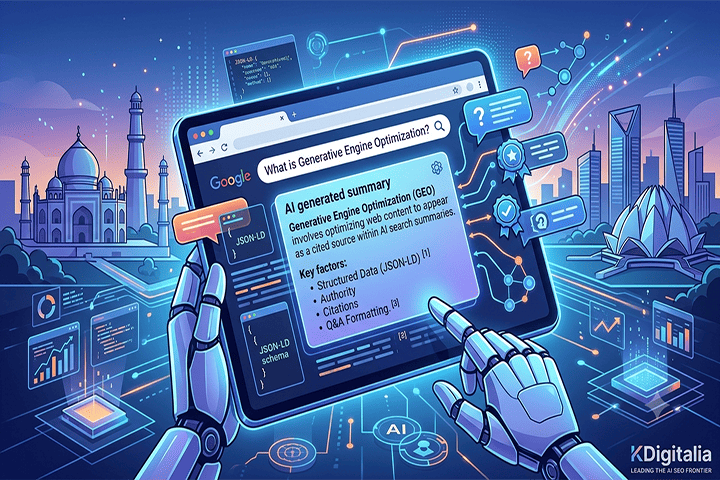
Artificial Intelligence is transforming digital marketing by helping businesses analyze information, generate content ideas, automate selected tasks, and understand campaign performance.
AI can assist with:
Marketing content creation.
Audience analysis.
Keyword research.
Customer support chatbots.
Campaign reporting.
Customer segmentation.
Personalized communication.
However, human expertise is still important for strategy, accuracy, creativity, privacy, and responsible decision-making.
4. Digital Marketing vs Traditional Marketing: Which Is Better?
Traditional marketing and digital marketing both have important roles.
The right approach depends on your business objectives, target audience, location, industry, and available budget.
| Factor | Traditional Marketing | Digital Marketing |
|---|---|---|
| Advertising channels | TV, newspapers, radio, banners | Google, websites, social media, email |
| Audience reach | Often regional or broad | Local, national, or international |
| Targeting | Usually less precise | More flexible targeting options |
| Performance tracking | Often difficult | Detailed analytics available |
| Customer interaction | Often one-way | Interactive communication |
| Budget flexibility | Depends on media and placement | Campaign budgets can be adjusted |
| Speed of optimization | Often slower | Campaigns can be adjusted quickly |
Our recommendation: Businesses should not necessarily abandon traditional marketing. A combination of online and offline marketing can be more effective when both channels support the same business goals.
For example, a company can distribute promotional brochures at a local event while encouraging customers to visit its website or follow its social media pages.
This creates a connection between traditional and digital customer experiences.
5. Can Digital Marketing Help Offline Businesses Grow?
Absolutely!
One of the biggest misconceptions is that digital marketing is useful only for businesses that sell products online.
This is not true.
Even businesses that operate entirely offline can benefit significantly from digital marketing.
Consider these examples:
A. Retail Shops and Local Stores
A clothing store, electronics shop, furniture showroom, or grocery business can use digital marketing to:
Promote new arrivals.
Share special offers.
Improve Google Maps visibility.
Publish product photographs.
Attract nearby customers.
Receive customer enquiries.
B. Restaurants and Cafes
Restaurants can use digital marketing to:
Publish food photographs and videos.
Share menus.
Promote seasonal offers.
Improve local search visibility.
Encourage genuine customer reviews.
Promote special events.
C. Educational Institutions
Schools, colleges, coaching centres, and training institutes can use digital marketing to:
Promote admission campaigns.
Share educational information.
Publish campus activities.
Reach students and parents.
Generate admission enquiries.
Promote online and offline courses.
D. Real Estate Businesses
Real estate companies can use digital marketing to:
Showcase properties.
Generate buyer enquiries.
Promote residential projects.
Publish property videos.
Target customers by location.
Improve brand visibility.
E. Professional Service Providers
Doctors, consultants, lawyers, architects, accountants, and other professionals can use digital channels to communicate their expertise, share useful information, and make it easier for potential clients to discover their services.
F. Manufacturing and Wholesale Businesses
Manufacturers and wholesalers can use digital marketing to:
Showcase product catalogues.
Generate B2B enquiries.
Reach distributors.
Promote their manufacturing capabilities.
Connect with potential business partners.
The important point is that digital marketing does not require your business to sell online. It helps people discover your business online and encourages them to connect with you offline.
6. Why Choose Kdigitallia Solutions for Website Development and Digital Marketing?
Choosing the right technology and digital marketing partner is an important business decision.
At Kdigitallia Solutions, we focus on understanding your business requirements before recommending suitable solutions.
Our services bring together technology, website development, and digital promotion.
Our Key Strengths
Customized Solutions: We understand that every business has different requirements. We develop solutions according to your business objectives.
Technology Expertise: We work with modern development technologies such as ASP.NET Core, PHP Laravel, and Python.
Website and Marketing Together: We understand how professional website development and digital marketing complement each other.
Business-Oriented Approach: We focus on practical business objectives such as visibility, enquiries, customer engagement, and growth opportunities.
Scalable Solutions: We develop websites and applications with future expansion and additional functionality in mind.
Multiple Digital Services: From website development and mobile applications to SEO, advertising, and AI integration, we offer services that support different stages of digital growth.
Whether you are starting a new business or expanding an established company, Kdigitallia Solutions can help you explore suitable technology and marketing opportunities.